
Signs of Dehydration in Seniors: Stay Cool and Safe in Summer
Quick Summary: Due to naturally occurring changes in our bodies as we age, older adults are more susceptible to dehydration and heat-related illnesses. This guide to dehydration in seniors from JCHC explains why older adults are more vulnerable to heat, signs and symptoms of dehydration in older adults, and tips on how to stay cool in hot weather.
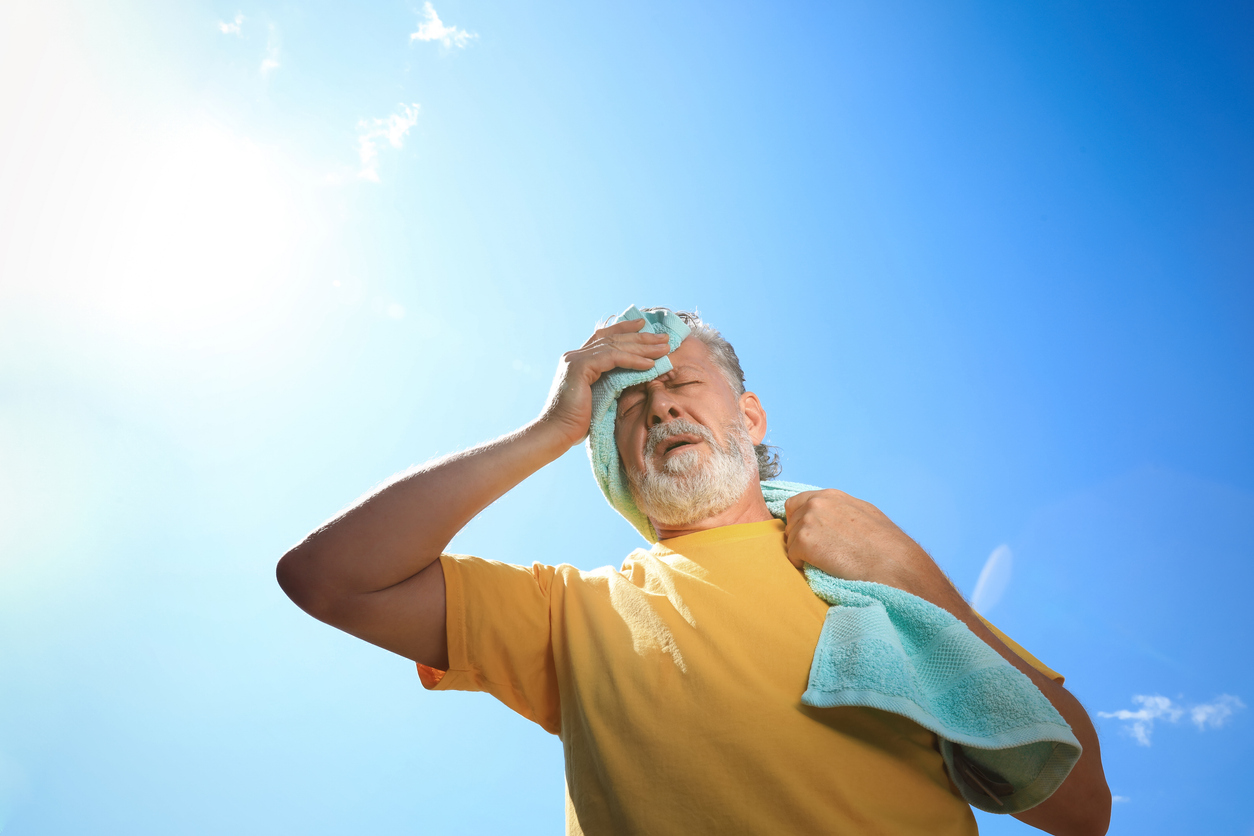
As a child, getting enough fluids during the summer meant drinking from a hose or meeting your friends for an ice-cold soda.
While there’s still nothing like a cool beverage on a blistering hot day, staying hydrated during New Jersey’s hottest months of the year becomes more important as you age.
For starters, the New Jersey Department of Environmental Protection estimates that the number of days with temperatures above 90°F has increased by 36% since 1949, which means it really is hotter than it used to be. What’s more, as our bodies age, how we respond to heat and thirst changes as well.
At Jewish Community Housing Corporation (JCHC), we are rooted in our values of caring for the community in everything we do, not just during the summer months, but all year round.
To help older adults in our community stay healthy and safe during hot weather, we’re taking a look at dehydration in seniors. In this informative article, we’ll share how to tell if you’re dehydrated, signs and symptoms of dehydration in older adults, and how to stay cool in hot weather.
Why Are Seniors More Vulnerable to Heat?
Even for the most active, physically fit seniors, natural changes in the body as we age make older adults more vulnerable to heat, regardless of our capabilities. There are four significant changes to how our bodies tolerate heat later in life:
4 Ways the Body’s Response to Heat Changes With Age
- The body cools off more slowly: While the number of sweat glands we have stays the same, they produce less sweat over time, starting around age 40. As a result, the body cannot cool itself down as efficiently as it did before. Additionally, blood vessels lose elasticity over time, and warm blood moves less efficiently from your inner organs to your skin. As a result, heat stays trapped in the body longer instead of releasing into the air, leading to dehydration in seniors.
- The thirst signal becomes weaker: Studies have shown that the body’s signal to the brain that water is needed weakens over time. Therefore, older adults are less likely to feel thirsty compared to younger people, even when they’re actually dehydrated. This increases the risk of dehydration in seniors.
- Heat can cause medication interactions: The average adult over age 65 takes four or more medications daily. Some common medications taken by older adults, such as diuretics or “water pills,” anticholinergics, and psychotropic medications, can increase the risk of heat-related illness, especially when taken in combination with other medications. If you have questions about any side effects of the medications you or your loved ones take, please consult with a physician.
- The body tires more easily in the heat: When exposed to heat, your cardiovascular system has to work harder and rapidly adjust to high temperatures. As we age, decreased blood volume and a reduced ability to increase cardiac output create competition for circulation throughout the body. This makes your heart work harder, which significantly increases the risk of heat-induced illnesses, such as heart attacks and strokes.
In addition to these age-related factors, older adults with cardiovascular, lung, and kidney disease are particularly susceptible to heat-related illnesses. Older adults with chronic conditions may also be less able to sense and respond to temperature changes.
How to Tell if You’re Dehydrated
So, if it becomes harder to tell you’re thirsty when you get older, how can you tell when you’re dehydrated? Other physiological signs and symptoms of dehydration can alert your body that it needs water quickly during the early stages of dehydration:
- Dry mouth, tongue, or nose
- Dry skin, or skin that doesn’t spring back when pinched
- Headache
- Constipation
- Less frequent urination, or dark colored urine
- Fatigue or unusual sleepiness
In addition to physical symptoms, someone experiencing dehydration may also suddenly seem confused, irritable, or anxious. For older adults with Alzheimer’s disease or other forms of dementia and cognitive decline, these changes may seem more pronounced than usual.
As the body continues to lose fluids, signs and symptoms of dehydration in older adults may include:
- Weakness
- Muscle cramps
- Dizziness
- Confusion
- Passing out
When Should You Seek Medical Attention For Heat-Related Illnesses?
Older adults are more at risk for heat-related illnesses, such as heat stroke, heat exhaustion, and heat syncope. What is the difference between these conditions, and which are the most serious?
-
- Heat syncope is a form of sudden dizziness that can happen when someone is too active during hot weather. It’s important to note that older adults taking beta blockers for their heart are more likely to experience dizziness or fainting in the heat.
- How to address heat syncope: Rest in a cool place, elevate your legs, and drink water until the dizziness goes away.
-
- Heat exhaustion is a warning sign from your body that it is no longer able to cool itself. Signs and symptoms of heat exhaustion include thirst, dizziness, weakness, uncoordinated movement, or nausea. People with heat exhaustion often sweat a lot. Even if the body temperature stays normal, skin may feel cold and clammy. Pulse may be rapid.
- How to address heat exhaustion: Rest in a cool place and drink plenty of fluids. If symptoms don’t improve, seek medical attention quickly. If not treated, heat exhaustion can progress to heat stroke.
- Heat stroke is a medical emergency that causes body temperatures to rise above 104°F. Signs of heat stroke include fainting, confusion or acting strangely, not sweating during hot weather, dry and flushed skin, and a pulse that can be strong and rapid or slow and weak.
- How to address heat stroke: Call 911 immediately. While waiting, move the person to a cool place, loosen heavy clothing, and apply cool cloths to their wrists, ankles, armpits, and neck.
How to Stay Cool in Hot Weather
While taking a dip in the pool, enjoying two scoops of Rocky Road, and standing in front of the freezer for a minute are time-honored ways to beat the heat, getting fluids and resting in a cool area are most effective.
Here are some tips to manage your water intake and avoid dehydration:
- Use habit stacking to create a healthy water routine: Habit stacking connects something that’s already part of your daily routine, like taking medications, eating breakfast, or brushing your teeth, with a new habit. After your morning routine, drink a glass of water. You can also try drinking water with meals.
- Sip, don’t gulp: For adults ages 80 and older, drinking a whole glass of water may leave them feeling bloated. If drinking 8 oz. at a time feels uncomfortable, fill a bottle of water and sip throughout the day.
- Eat your water: Adding water-rich foods like cucumbers, celery, and watermelon to your diet is an easy, tasty way to get fluids. Soups, yogurt, and ice pops with real fruit can help, too.
Staying cool also helps your body retain fluid and helps you avoid overdoing it in the heat. Here are some suggestions on staying out of the heat when temperatures are climbing:
- Shift your schedule: You don’t have to give up your walking routine completely—just set your alarm clock. In Morris and Essex Counties, where JCHC communities are located, the coolest hours of the day are typically around sunrise. Start your day with a stroll, and stay indoors during the hottest parts of the day.
- Check the heat index: The daily high is only part of the story. The heat index, or “feels like” temperature, can give you a fuller picture of how heat may affect your day. For high heat index days, move activities inside, shift to the morning hours, or take breaks indoors.
- Plan the “in-between” moments: Even if you don’t intend to overdo it, heat can still affect you when you’re out and about. If your schedule for the day includes running errands, try to find covered or shaded parking. Bring water and a cooling towel or cold washcloth.
How Independent Living at JCHC Helps Seniors Stay Cool
Since 1982, JCHC has provided independent senior living for New Jersey seniors in Morris and Essex Counties at our Lester Senior Living residence in Whippany, NJ, and our Village Apartments residence in South Orange, NJ.
We help residents thrive with maintenance-free living, amenities, and services all year long, and during the dog days of summer, preventing dehydration in seniors is integrated into daily routines:
- Fluid-rich foods made simple: At Lester Senior Living, residents don’t have to worry about running out for groceries when the thermometer reaches the 90s. In our kosher dining room, residents sit down to meals featuring soups, fruit, and beverages—natural opportunities to stay hydrated. Plus, eating meals together means we’re more likely to recognize someone who seems unusually tired or confused.
- Indoor programming to stay active and engaged: Just because you’re inside doesn’t mean you have to watch TV alone all day. In our communities, residents can still socialize in comfortable, cool lounges and gathering spaces, find a good book or engage in lifelong learning at our onsite lending library, and keep moving at a group fitness class.
- Friendly faces who care: Whatever the weather, you’ll never have to face it alone. In our friendly, welcoming community, neighbors, friends, and caring staff are always there to lend a hand, check in, and share a bowl of ice cream or a popsicle.
Remembering to eat water-rich foods, take a water bottle, and stay active indoors is a lot for anyone to manage on their own, at any age. Accountability partners, friends to invite over for lemonade and cookies, and onsite maintenance make weathering every season easier and more joyful.
If you’re ready to discover a simpler, more enjoyable lifestyle at JCHC, contact our team today to schedule a visit.


